
uranium enrichment freeze was the central gap as senior U.S.–Iran talks in Islamabad ended without a breakthrough, despite both sides leaving the door open to more negotiations.
What happened in Islamabad
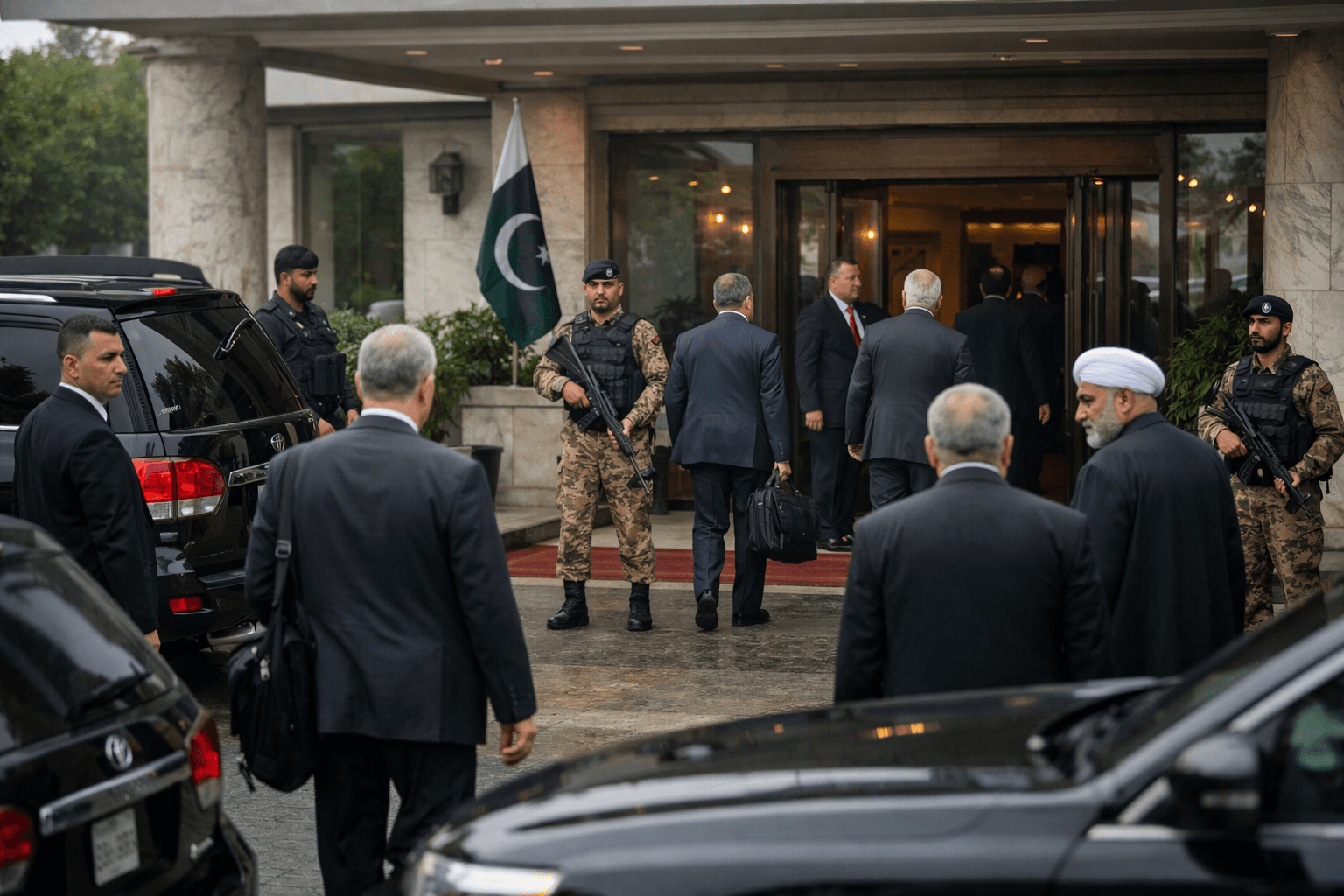
Senior U.S. and Iranian delegations met in Islamabad, Pakistan, in talks mediated by Pakistani officials after a recently announced ceasefire. The meeting ended without an agreement, but officials and mediators signaled the channel remained active and a second round could still be scheduled in the following days. :contentReference[oaicite:0]{index=0}
The most consequential unresolved issue was the nuclear file, specifically how long Iran would halt or limit enrichment. Multiple reports said the U.S. pressed for a long moratorium on enrichment while Iran countered with a shorter duration, and neither side accepted the other’s timeline. :contentReference[oaicite:1]{index=1}
The core sticking point: duration and scope of the uranium enrichment freeze
Axios reported the U.S. proposed a 20-year moratorium on Iranian uranium enrichment during the Islamabad negotiations. :contentReference[oaicite:2]{index=2} The Wall Street Journal similarly described a 20-year suspension proposal as a shift from Washington’s earlier insistence on a permanent halt. :contentReference[oaicite:3]{index=3}
The Washington Post reported the talks stalled because the U.S. position centered on a 20-year enrichment freeze while Iran offered three to five years. :contentReference[oaicite:4]{index=4} Reuters’ account of the talks describes the nuclear dispute as central, with the U.S. framing its objective as ensuring Iran would never obtain a nuclear weapon. :contentReference[oaicite:5]{index=5}
Separately, Reuters reported that a White House official described broader U.S. demands in the negotiations: Iran ending all uranium enrichment, dismantling major enrichment facilities, and turning over highly enriched uranium, alongside other conditions tied to sanctions, regional security, and the Strait of Hormuz. :contentReference[oaicite:6]{index=6}
Stockpile control: removal versus down-blending
Beyond the duration question, the handling of Iran’s enriched uranium stockpile emerged as another binding constraint. Axios reported the U.S. sought to have Iran relinquish its existing uranium stockpile and that Iran instead raised a monitored down-blending approach. :contentReference[oaicite:7]{index=7}
That difference matters because duration limits are only enforceable in practice if inspectors can verify both ongoing enrichment activity and the status of any higher-enriched material already produced.
Why this matters now
1) A deal’s “enforcement problem” is showing up early
The dispute is not only about years on a page. It is about whether limits can outlast the next political shock. A longer uranium enrichment freeze, paired with stockpile removal, is easier to police and harder to reverse quickly. A shorter timeline, especially if stockpile material stays in-country, can leave Washington and its partners arguing that the underlying capability remains close to restart. :contentReference[oaicite:8]{index=8}
2) Sanctions relief and security guarantees stay hostage to nuclear terms
Reuters described the broader bargaining bundle as including sanctions and regional security issues, with each side pressing demands it considers non-negotiable. When the uranium enrichment freeze question stays unresolved, it constrains how far either side can move on sanctions relief or security assurances without being accused at home of trading leverage away. :contentReference[oaicite:9]{index=9}
3) Energy and shipping risk remains tied to diplomacy
Reuters identified the Strait of Hormuz and disruptions to global energy supplies as central issues alongside the nuclear program. That linkage means markets and governments will watch whether talks produce verifiable nuclear constraints that could support de-escalation and more predictable shipping conditions, or whether the standoff keeps the region’s risk premium elevated. :contentReference[oaicite:10]{index=10}
What each side is saying publicly
President Donald Trump told reporters at the White House that “Iran will not have a nuclear weapon,” while also indicating Iran wanted to make a deal. :contentReference[oaicite:11]{index=11}
After the Islamabad talks ended, Reuters reported Vice President JD Vance described the U.S. proposal as its “final and best offer,” adding that the next step depended on whether Iran accepted it. :contentReference[oaicite:12]{index=12}
What happens next
A follow-on meeting was being discussed for later in the week or the weekend, according to Reuters, though U.S. confirmation was not immediate. :contentReference[oaicite:13]{index=13}
If negotiations resume, the most decisive test will be whether the parties can narrow the uranium enrichment freeze timeline into a structure that is enforceable: what is frozen, for how long, under what inspections, and what happens to higher-enriched stockpiles during the period. Without that architecture, even a temporary diplomatic thaw can fail to translate into a durable agreement.