
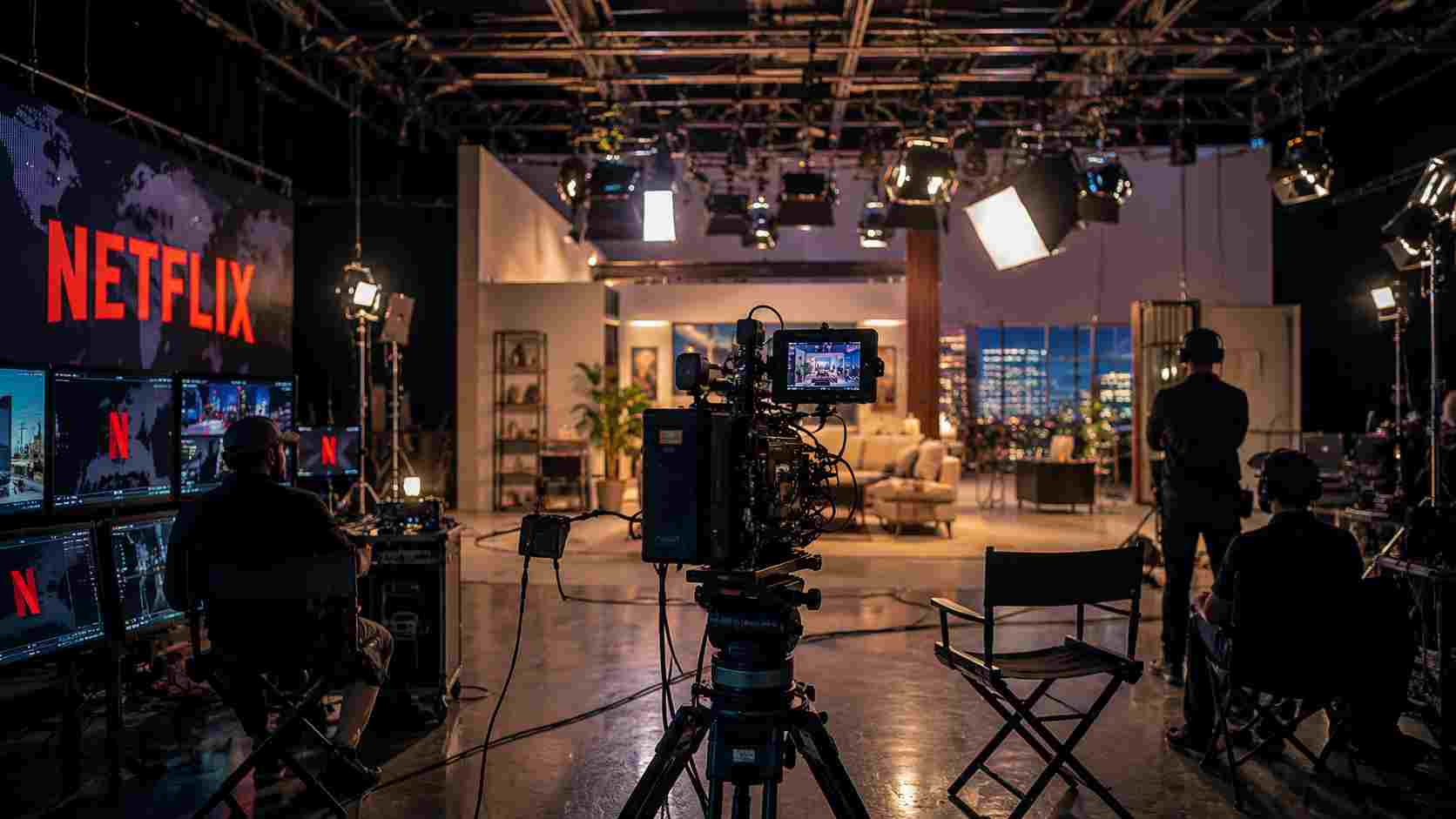
Netflix said on May 12, 2026 that it invested more than $135 billion in films and series over the past decade, positioning the figure as evidence of how streaming has moved from a distribution experiment into a major global production engine.
The company also said its productions contributed more than $325 billion to the global economy and created more than 425,000 production jobs during that period. Reuters reported the figures the same day, attributing them to Netflix company statements.
The announcement matters because Netflix is using production spending, employment claims, and local economic impact to defend the scale of its business model at a time when streaming companies are under pressure to prove that growth can still translate into durable returns.
Context
Netflix helped define subscription video streaming by moving entertainment consumption away from fixed broadcast schedules and toward on-demand viewing. Its original programming strategy turned the company into both a technology platform and a global studio buyer.
Over the last decade, that strategy has spread across countries, languages, production crews, studios, and vendors. Netflix said non-English language titles now account for more than a third of all viewing, compared with less than a tenth a decade earlier.
That shift is central to the company’s argument. Netflix is not only saying it spent heavily; it is saying the spending helped build a wider entertainment economy around local productions that can travel globally.
Mechanism
The basic mechanism is production spending. When Netflix commissions, licenses, or supports films and series, money moves through writers, actors, directors, crews, post-production houses, studios, locations, catering, transport, set construction, visual effects, and other services.
Netflix’s economic-impact claim also rests on spillover effects. A production can spend money directly, then create indirect business for suppliers and local workers, and sometimes lift tourism, licensing, music, fashion, or consumer interest around a title.
The company framed this under a new project called The Netflix Effect, described by co-CEO Ted Sarandos as a broad look at the economic, cultural, and social impact of its films and series. That framing turns production spending into an argument about influence.
Stakeholders
Netflix is the main actor because it benefits from showing investors, advertisers, governments, producers, and creative partners that its spending has economic weight beyond the subscription screen.
Production workers and local suppliers are among the groups the company says benefit from its investment. For them, the practical question is whether spending creates steady work or short bursts tied to individual shows.
Governments and film agencies are also stakeholders. They often compete for productions through tax credits, subsidies, infrastructure, and permitting, so Netflix’s jobs and output claims may become part of the debate over whether public incentives are worth the cost.
Competitors are under pressure too. Disney, Amazon, Warner Bros. Discovery, Apple, and other entertainment companies must show that their content budgets can hold audiences without wasting cash in a crowded market.
Data and Evidence
Netflix said it invested more than $135 billion in films and television series over the past decade. It also said those productions contributed more than $325 billion to the global economy and created more than 425,000 jobs.
Reuters reported that Netflix had more than 325 million paid members at the end of 2025. That subscriber base gives the company the scale to fund large slates and push titles across borders.
Netflix also said it licensed films and series from more than 3,000 companies, including public broadcasters. That detail matters because it shows the company’s role is not limited to in-house originals; it also acts as a major buyer in the wider content market.
The figures are company-provided, so they should be read as verified claims of what Netflix said, not as independent proof of every economic effect. The strongest confirmed fact is the company’s own disclosure and Reuters’ reporting of it.
Analysis
The clearest explanation is that Netflix is making an economic-policy case as much as a media-business case. The company wants its spending to be seen as infrastructure for the creative economy, not just a cost line on a balance sheet.
That matters because streaming economics have become harder. The early promise was fast subscriber growth. The current test is whether platforms can keep subscribers, sell advertising, expand into live events or games, and still manage production costs.
A $135 billion decade-scale investment helps Netflix argue that its model has built something durable. It also gives the company a counterweight to concerns that streaming disrupted traditional film and television without creating enough stable replacement value.
The uncomfortable but important point is that size alone does not settle the question. Big spending can build jobs and cultural reach, but it can also increase pressure to cut weaker shows, chase franchises, and demand measurable returns from creative work.
Counterpoint
The main counterpoint is that Netflix’s economic-impact numbers come from Netflix. Without an outside audit or a clearly detailed methodology in the reporting, readers should treat the $325 billion and 425,000 jobs figures as company claims.
Another uncertainty is job quality. A production job can mean many different things, from long-term employment to temporary crew work. The headline number does not by itself explain wages, duration, benefits, or whether the work continued after productions ended.
There is also a policy question. If local governments use production-impact claims to justify incentives, they need to compare the economic benefits with public costs and with other possible uses of the same money.
Consequence
Netflix’s announcement strengthens its argument that streaming is now a central part of the global entertainment economy. It gives the company a clear message for investors, policymakers, advertisers, and production partners.
For the industry, the consequence is pressure to measure impact in broader terms. Subscriber counts and viewing hours still matter, but companies are increasingly expected to explain jobs, local spending, cultural exports, and returns on content investment.
For workers and producers, the figures may support calls for more local production opportunities. They may also sharpen demands for transparency about how much value reaches crews, vendors, and creative teams.
What to Watch
The next issue is whether Netflix releases more detailed methodology behind its economic-impact estimates. The most important missing details are how jobs were counted, how long they lasted, and how the $325 billion contribution was calculated.
Watch whether governments, unions, studios, and competitors respond with their own data. If others challenge or confirm the numbers, the debate over streaming economics will become more concrete.
Also watch Netflix’s growth strategy after 2025. Reuters reported that the company is looking at areas such as gaming and live entertainment while dealing with slower sales growth. That makes the production-spending claim part of a larger question: how Netflix keeps growing after streaming becomes mature.
Sources
Sources = The Netflix Effect — Netflix — May 12, 2026 Sources = Netflix spent over $135 billion on film, TV over last decade — Reuters — May 12, 2026