
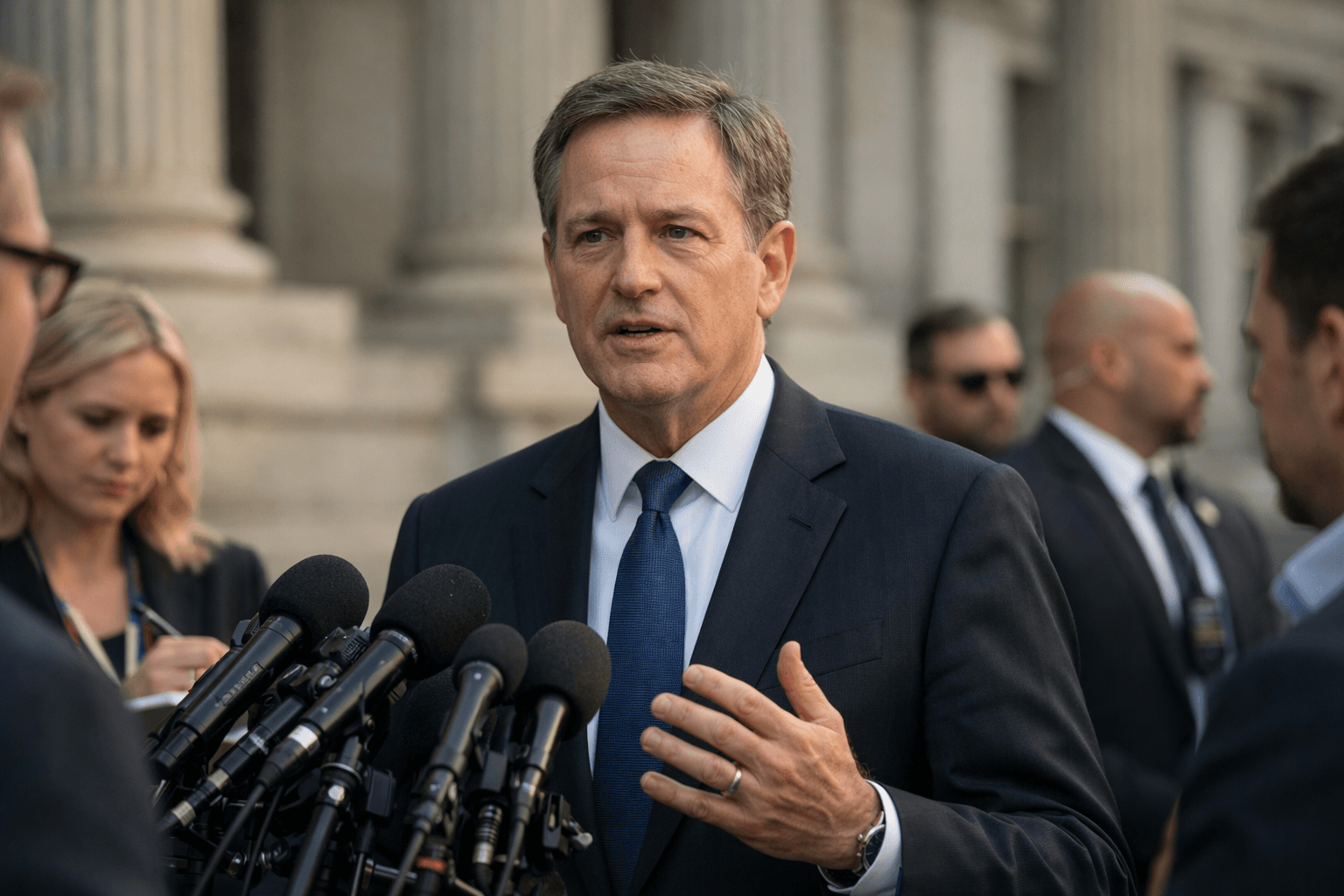
China oil hoarding became a new flashpoint in U.S.-China tensions on April 14, 2026, after U.S. Treasury Secretary Scott Bessent said China acted as an “unreliable global partner” during the Middle East war by stockpiling oil supplies and limiting exports of certain goods. Bessent’s remarks link wartime commodity flows to broader trade and diplomatic friction at a moment when global oil markets have been strained by the Iran war and disruptions around key shipping routes.
What Bessent said, and when
Bessent made the comments in Washington on April 14, 2026, telling reporters that China hoarded oil and restricted exports of some goods during the war, comparing the behavior to stockpiling seen during the COVID-19 pandemic.
Asked whether the dispute could affect President Donald Trump’s planned visit to Beijing later in April, Bessent did not say it would derail the trip. Instead, he framed the coming visit as centered on “stability” and emphasized “communication,” saying the relationship’s stability “emanates from the top down” and highlighting the working relationship between Trump and Chinese President Xi Jinping.
Why China oil hoarding matters for markets and policy
It changes who bears the shortage
Bessent’s critique is aimed less at immediate U.S. supply and more at how wartime buying and stockpiling can squeeze import-dependent economies. In practice, when a major buyer keeps purchasing aggressively during a shock, the most direct impact can land on other importing countries competing for cargoes and facing higher prices.
That concern is showing up in warnings from international institutions as the Iran war damages energy infrastructure and disrupts trade flows. The IMF, World Bank, and International Energy Agency have urged countries to stop hoarding energy supplies and avoid export controls, warning that restrictions can worsen shortages for vulnerable regions and slow recovery even after shipping conditions stabilize.
It raises sanctions and compliance questions
Wartime energy shocks often tighten scrutiny of crude flows, shipping insurance, and trade finance. When U.S. officials publicly accuse a major economy of “hoarding” while conflict pressures supply, the next steps that markets watch are not speeches but enforcement signals: whether regulators escalate compliance expectations, whether banks tighten risk checks, and whether trade restrictions widen beyond the original conflict-related measures.
Bessent did not announce new U.S. sanctions or rules in the remarks described by Reuters. But tying China’s actions to a wartime energy crunch places commodity flows closer to the center of U.S. economic diplomacy.
It spills into trade policy beyond oil
Bessent’s complaint was not limited to crude. He also said China limited exports of certain goods during the war.
Export restrictions tend to ripple through supply chains quickly because they force companies to re-source parts, accept delays, or pay more for substitutes. For policymakers, they also create pressure to respond with reciprocal controls, new licensing regimes, or targeted tariffs—moves that can outlast the conflict that triggered them.
The Iran war backdrop that magnifies the dispute
The Treasury criticism landed amid a broader energy-market shock tied to the Iran war. Reporting in recent days has described damage to Iranian oil and gas facilities and disruption in shipping conditions affecting supply through the Strait of Hormuz, a critical conduit for global oil trade.
In that environment, the difference between “normal” commercial buying and strategic stockpiling becomes more politically charged. When prices are elevated and supply is uncertain, governments face competing incentives: protect domestic fuel access, avoid public unrest, and still keep global markets functioning. That tension is exactly what international agencies warned about when they called on countries to avoid hoarding and export controls during the current shock.
What to watch next
The clearest test is whether the rhetoric stays rhetorical.
If the Trump administration keeps framing China oil hoarding as a concrete wartime harm to partners, markets will watch for follow-through in three places: (1) shipping and trade-finance compliance guidance, (2) any expansion of export-control discussions beyond the current list of restricted goods, and (3) whether the upcoming Trump-Xi engagement produces practical commitments on commodity flows, or only general language about stability and communication.
For energy markets, the immediate consequence is not a single policy headline but increased uncertainty about whether governments will compete for barrels through stockpiles and controls—or coordinate to keep supplies moving during the Iran war shock.